
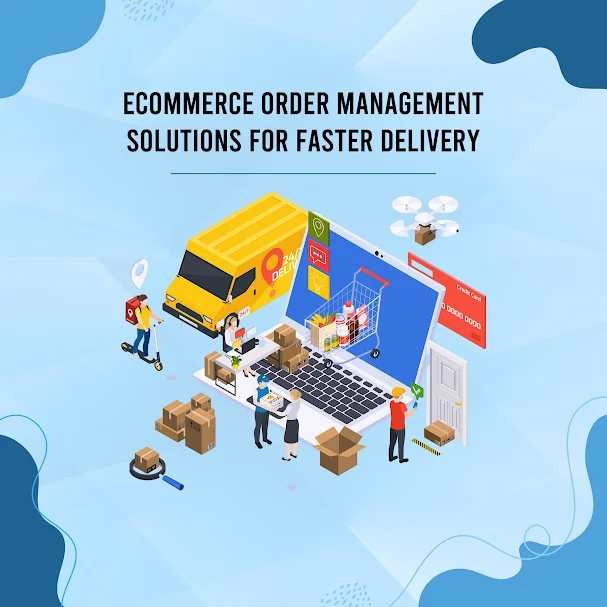
In ecommerce, customers expect their orders to be processed quickly, shipped accurately, and delivered on time. A delay at any stage can lead to negative reviews, canceled orders, and lost revenue. As businesses grow, managing orders manually becomes increasingly difficult, making efficient systems essential for long-term success.
This is where ecommerce order management plays a critical role.
A well-structured order management process helps businesses track orders, manage inventory, coordinate warehouse operations, and improve customer satisfaction. When every part of the fulfillment cycle works together, businesses can reduce errors, speed up deliveries, and create a better shopping experience.
What Is Ecommerce Order Management?
Ecommerce order management is the process of tracking, managing, and fulfilling customer orders from the moment a purchase is made until the product reaches the customer.
The process typically includes:
- Order processing
- Inventory updates
- Payment verification
- Warehouse coordination
- Shipping management
- Delivery tracking
- Returns management
An effective system ensures that orders move smoothly through each stage while maintaining accuracy and visibility.
Why Order Management Is Important In Ecommerce?
Customers today expect convenience and speed. They want real-time updates, accurate delivery timelines, and hassle-free shopping experiences.
Without a structured order management process, businesses may face:
- Shipping delays
- Inventory discrepancies
- Overselling products
- Customer complaints
- Increased operational costs
- Poor customer retention
Investing in proper ecommerce order management solutions helps businesses create reliable operations that support growth and customer satisfaction. Businesses that sell through Amazon can further improve operational efficiency by using professional Amazon Account Management Services to optimize listings, monitor account health, and support long-term marketplace growth.
How Ecommerce Order Management Improves Delivery Speed?
- Centralized Order Tracking
Managing orders across multiple sales channels can become complicated.
An efficient ecommerce order management system centralizes order information, allowing businesses to track purchases from various marketplaces, websites, and platforms in one place. This reduces manual work and speeds up order processing.
- Automated Workflows
Manual order processing often causes delays and increases the risk of errors.
Automation helps businesses:
- Route orders automatically
- Update inventory instantly
- Generate shipping labels
- Send customer notifications
- Track fulfillment progress
By eliminating repetitive tasks, businesses can process orders faster and more accurately.
- Better Inventory Visibility
One of the biggest causes of delayed deliveries is inaccurate inventory data.
Effective ecommerce inventory management provides real-time stock visibility across all sales channels.
Benefits include:
- Reduced stockouts
- Better demand forecasting
- Improved purchasing decisions
- Fewer overselling issues
Accurate inventory management allows businesses to fulfill orders without unnecessary delays.
The Role Of Ecommerce Inventory Management
Inventory and order management work hand in hand. Without strong ecommerce inventory management, businesses may struggle with fulfillment challenges that impact customer satisfaction.
Key advantages include:
Real-Time Stock Monitoring
Businesses can see their inventory levels at any time. This helps prevent overselling products that are no longer available and ensures customers receive accurate stock information.
Improved Forecasting
By reviewing past sales data, businesses can better predict future demand. This makes it easier to stock the right products at the right time and avoid unexpected shortages.
Reduced Storage Costs
Good inventory planning helps businesses avoid keeping too much stock in storage. This reduces warehousing expenses and frees up valuable space.
Faster Order Fulfillment
When inventory is organized and updated regularly, products can be located and shipped more quickly. This helps businesses deliver orders faster and meet customer expectations.
The Ecommerce Fulfillment Process
The ecommerce fulfillment process involves every step required to move products from the warehouse to the customer.
The typical process includes:
- Receiving an order
- Verifying payment
- Picking products
- Packing items
- Shipping orders
- Tracking delivery
- Managing returns if needed
Each stage must function efficiently to ensure timely delivery. A well-optimized fulfillment process helps businesses reduce costs while improving customer satisfaction.
Ecommerce Warehouse Management and Faster Deliveries
Warehouse efficiency directly impacts delivery performance. Strong ecommerce warehouse management helps businesses organize inventory, streamline picking and packing, and reduce processing times.
Benefits include:
- Faster order preparation
- Better inventory accuracy
- Reduced shipping errors
- Improved warehouse productivity
- Enhanced delivery performance
When warehouse operations run smoothly, customers receive their products more quickly.
Improving the Ecommerce Customer Journey
The buying experience doesn’t end when a customer places an order. Every interaction after purchase influences customer satisfaction. A positive ecommerce customer journey includes:
- Easy checkout
- Accurate order confirmations
- Real-time tracking updates
- Fast shipping
- Smooth returns process
Customers who enjoy a seamless experience are more likely to make repeat purchases and recommend your brand to others. If your business also sells on Amazon, implementing Amazon Brand Protection Solutions helps protect customer trust by preventing counterfeit products and unauthorized sellers from damaging your reputation.
The Importance of Ecommerce Data Migration Services
As businesses grow, they often upgrade platforms, software, or operational systems. During these transitions, ecommerce data migration services help transfer critical business information safely and accurately.
This may include:
- Product catalogs
- Customer information
- Order history
- Inventory records
- Vendor data
Proper migration minimizes disruptions and ensures business continuity. A smooth migration process helps businesses maintain operational efficiency while scaling their ecommerce operations.
Ecommerce Growth Hacking Strategies
Modern ecommerce businesses often combine operational improvements with marketing-focused growth strategies.
Ecommerce growth hacking focuses on identifying opportunities to increase efficiency, improve customer acquisition, and boost conversions. Businesses looking to expand beyond traditional marketplaces should also understand How TikTok Shop Works to reach new audiences through social commerce and increase online sales.
Examples include:
- Checkout optimization
- Faster shipping options
- Customer retention programs
- Personalized recommendations
- Automated customer communications
Common Challenges Ecommerce Businesses Face
Without effective systems, businesses often encounter:
- Inventory inaccuracies
- Delayed shipments
- Order processing bottlenecks
- Customer complaints
- Warehouse inefficiencies
- Data synchronization issues
The Final Words
Fast and accurate delivery has become one of the most important factors in ecommerce success. Customers expect seamless experiences, reliable shipping, and timely updates throughout the purchasing process.
Effective ecommerce order management helps businesses meet these expectations by streamlining operations, improving inventory control, and optimizing the ecommerce fulfillment process.
As competition continues to increase, investing in the right ecommerce order management system is a competitive advantage that helps businesses deliver faster, serve customers better, and grow with confidence.
Frequently Asked Questions
eCommerce order management solutions help businesses manage customer orders, inventory, shipping, and fulfillment from one centralized system.
Efficient order management reduces errors, speeds up fulfillment, improves inventory accuracy, and increases customer satisfaction.
They automate order processing, synchronize inventory, and connect with shipping carriers to reduce delays and streamline fulfillment.
Look for inventory tracking, multi-channel order management, shipping integration, automated workflows, reporting, and real-time order updates.
Yes. Small businesses can save time, reduce manual work, and scale operations more efficiently with an order management system.
Most modern solutions integrate with platforms like Shopify, WooCommerce, Magento, Amazon, and other online marketplaces.
Real-time inventory tracking prevents overselling, keeps stock accurate, and ensures orders are fulfilled without unnecessary delays.
Order management handles the complete order lifecycle, while inventory management focuses on tracking stock levels and product availability.
Yes. Automation minimizes manual data entry, reduces mistakes, and improves order accuracy throughout the fulfillment process.
Choose a solution that integrates with your sales channels, supports business growth, automates workflows, provides analytics, and offers reliable customer support.