
Millions of people visit Amazon every day looking for products they need. From phone accessories and kitchen gadgets to clothing and home décor, shoppers use the platform because it offers convenience, variety, and fast delivery. For businesses, this creates a huge opportunity to reach customers without building a large online store from scratch.
If you’ve ever wondered what Amazon Marketplace is and how sellers direct it into a profitable business, this guide will walk you through everything you need to know. Whether you’re planning to launch your first product or expand an existing business, understanding how the marketplace works is the first step toward success.
What Is Amazon Marketplace?
Before creating listings or shipping products, it is important to understand What Is Amazon Marketplace.
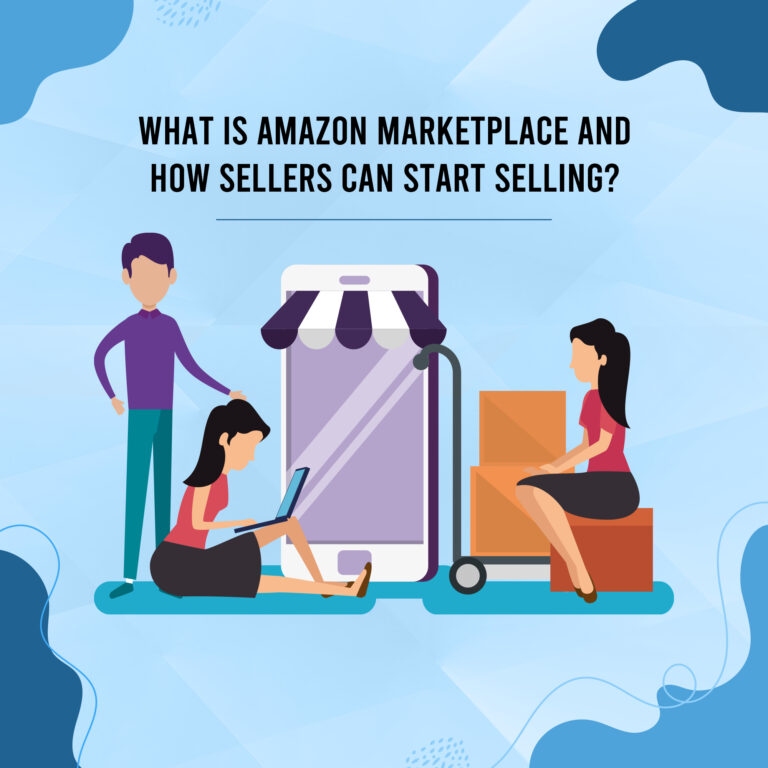
Amazon Marketplace is a platform that allows third-party sellers to list and sell products directly to Amazon customers. Instead of Amazon owning every item on its website, millions of products come from independent businesses, brands, and entrepreneurs around the world.
The Amazon online marketplace connects sellers with a massive customer base that is already searching for products every day. This removes one of the biggest challenges businesses face, which is finding buyers. Rather than spending years building website traffic, sellers can immediately access Amazon’s existing audience.
Why the Amazon Online Marketplace Is So Popular?
The amazon online marketplace has become one of the largest eCommerce platforms globally because it benefits both buyers and sellers.
For customers, it offers:
- Huge product selection
- Competitive pricing
- Fast shipping options
- Trusted payment processing
- Easy returns
For sellers, it provides:
- Access to millions of shoppers
- Built-in marketing opportunities
- International expansion options
- Reliable fulfillment services
- Scalable business growth
These advantages have made selling on Amazon attractive for businesses of every size.
As your business grows, professional Amazon vendor consulting services can help streamline operations and improve marketplace performance.
Why More Businesses Are Starting to Sell On Amazon?
Many entrepreneurs choose to start selling on Amazon because the platform removes many of the barriers associated with traditional retail.
Opening a physical store often requires significant investment in rent, inventory, staffing, and marketing.
Amazon allows sellers to launch products with far lower upfront costs while reaching customers nationwide or even globally.
Businesses choose to start selling on Amazon for several reasons:
- Increased visibility
- Large customer base
- Flexible business models
- Strong brand exposure
- Growth opportunities
With proper planning, sellers can build a business that continues generating revenue throughout the year.
Amazon Seller Account Setup
The first step toward becoming a seller is completing your Amazon seller account setup.
Creating a seller account is straightforward, but having the required information ready will make the process easier.
Typically, Amazon asks for:
- Business information
- Government-issued identification
- Bank account details
- Credit card information
- Tax information
- Contact details
During the Amazon seller account setup, sellers can choose between different selling plans depending on their business goals.
Creating Your Online Presence
Once your account is approved, the next step is completing your Amazon store setup.
Your Amazon store acts as a branded shopping destination where customers can explore your products in one place.
A professional Amazon store setup may include:
- Brand logo
- Store design
- Product categories
- Brand story
Choosing Products for Selling On Amazon Marketplace
Success often begins with choosing the right products.
Many new sellers make the mistake of selecting products based solely on personal interest.
When selling on Amazon Marketplace, it is important to research:
- Customer demand
- Competition levels
- Pricing opportunities
- Profit margins
- Seasonal trends
Products with steady demand and manageable competition often provide better opportunities for new sellers.
How to Create Product Listings That Sell?
A product listing is often the first impression potential customers have of your business. Whether you are selling on Amazon, eBay, Shopify, or any other marketplace, a well-crafted listing can make the difference between a customer clicking away or making a purchase.
Clear Product Titles
Your product title should accurately describe the item while including relevant search terms that customers are likely to use. A clear and informative title helps shoppers quickly understand what the product is and improves its visibility in search results. Avoid vague wording and focus on important details such as the product type, brand, size, color, or key feature.
High-Quality Images
Images play a major role in online purchasing decisions because customers cannot physically inspect the product. Use high-resolution photos that show the product from multiple angles and highlight important features.
Detailed Descriptions
A strong product description should explain both the features and the benefits of the product. Instead of simply listing specifications, describe how the product solves a problem or improves the customer’s experience.
Bullet Points
Many shoppers scan product listings rather than reading every word. Bullet points make important information easy to find and understand. Use them to highlight key features, specifications, benefits, dimensions, materials, or any other details customers may want to know before buying.
Optimize for Better Results
Well-optimized product listings not only improve search visibility but also increase customer confidence and conversion rates. By combining clear titles, professional images, informative descriptions, and easy-to-read bullet points, businesses can create listings that attract more shoppers and encourage more sales.
Once your products are listed, implementing a strong Amazon SEO strategy can help improve visibility and generate more sales.
Amazon Seller Guide – What Are the Fulfilment Options?
Every effective Amazon seller guide covers one important decision, how products will be delivered. Amazon offers two primary fulfilment methods.
Fulfillment by Amazon (FBA)
With FBA, sellers ship inventory to Amazon warehouses. Amazon handles:
- Storage
- Packing
- Shipping
- Customer service
- Returns
This option allows sellers to focus more on growing their business.
Fulfillment by Merchant (FBM)
Under FBM, sellers manage inventory and shipping themselves. This gives businesses more control but also requires additional resources. A good Amazon seller guide helps sellers choose the option that best fits their goals and budget.
How to Sell On Amazon Without Building a Website?
One reason many entrepreneurs ask how to sell items on Amazon is because they want an easier alternative to launching a standalone online store.
Amazon already provides:
- Website infrastructure
- Payment processing
- Customer traffic
- Shipping solutions
- Security systems
This allows sellers to focus on products rather than technical challenges.
Learning how to sell items on Amazon can be an excellent starting point for individuals entering eCommerce for the first time.
Common Mistakes New Sellers Should Avoid
While Amazon offers tremendous opportunities, mistakes can slow growth.
Common errors include:
- Choosing products without research
- Ignoring customer reviews
- Using poor-quality images
- Running out of inventory
- Pricing products incorrectly
- Neglecting product descriptions
The Final Words
The first step toward building a successful online business is understanding what Amazon Marketplace is. The platform gives entrepreneurs access to millions of potential customers while providing tools that simplify selling and fulfillment.
Whether you’re planning your Amazon seller account setup, working on your Amazon store setup, or researching how to sell items on Amazon, success comes from preparation, product research, and a commitment to delivering value to customers.
For anyone considering eCommerce, there has never been a better time to start selling on Amazon and take advantage of the opportunities available through the world’s most recognized online marketplace.