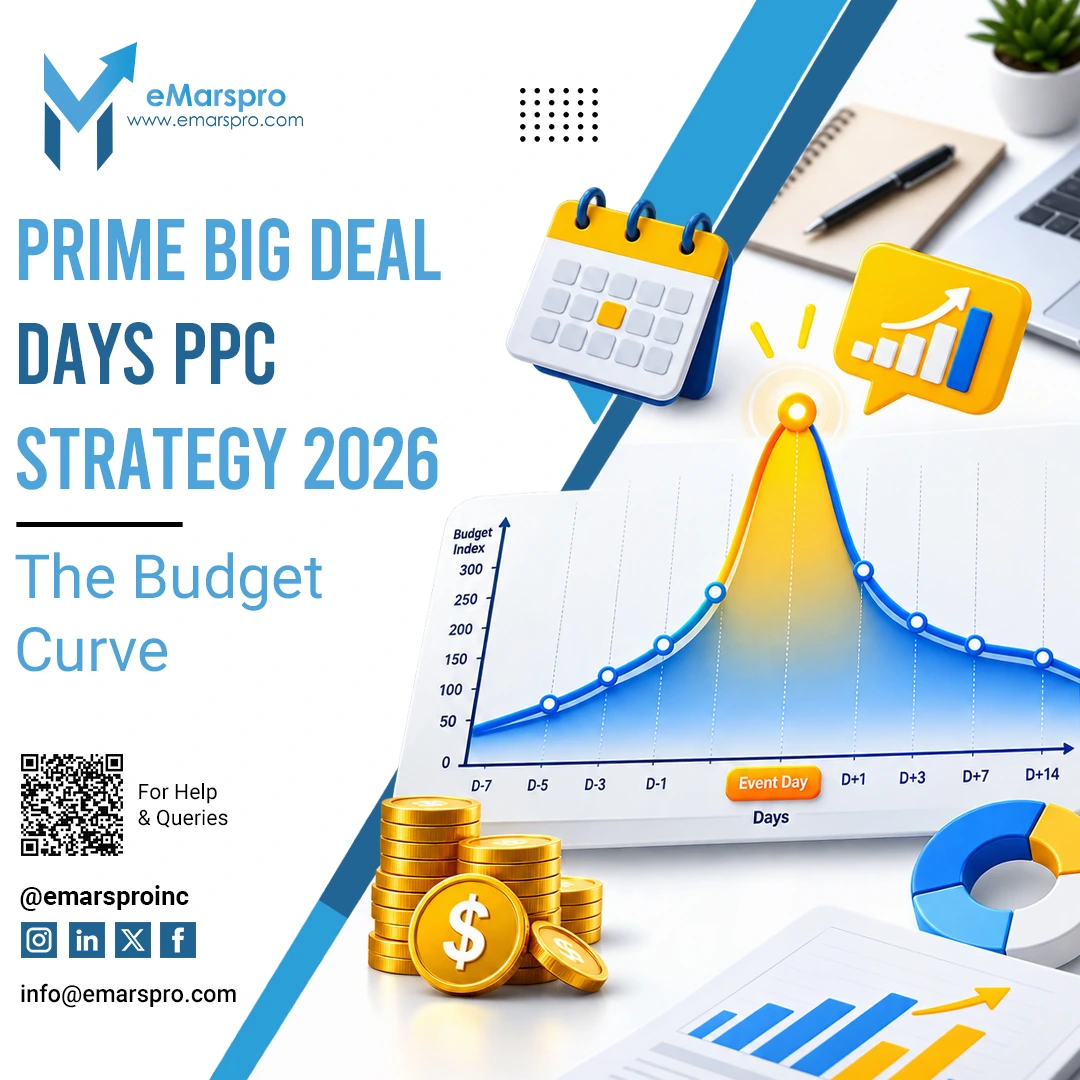

Quick answer: treat the event as three stages. Ramp budgets 3 to 5 days before in 20 to 30 percent increments so campaigns settle before the spike. Optimize bids in real time during the event and run Sponsored Products, Brands, and Display together. Hold budgets through the glow period after, because conversions keep landing for days.
When is Prime Big Deal Days 2026?
As of early September 2026, Amazon has not announced the official 2026 dates. The fall event has landed in early-to-mid October for the last three years, and Amazon has typically announced it in September.
Plan for an early-October window and confirm the exact dates the day Amazon publishes them. For the summer event, Amazon confirmed Prime Day 2026 ran June 23 to 26, so the October event is the separate fall deal window.
Set your deadlines against the confirmed timeline in our Prime Big Deal Days seller deadlines guide, then build the advertising curve below on top of it.
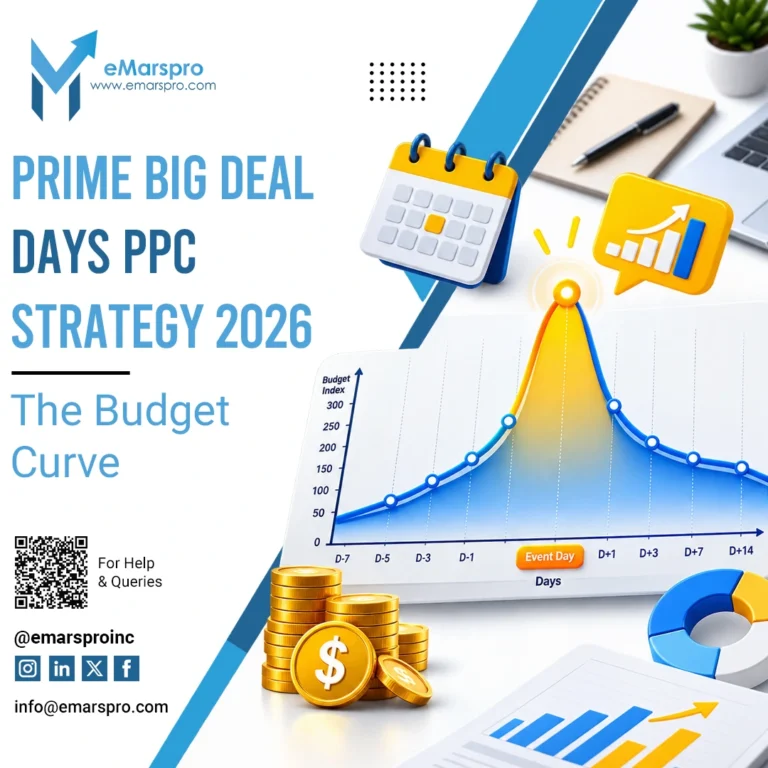
The budget curve, stage by stage
The shape matters more than any single number. Spend too late and you pay peak prices for cold traffic. Spend evenly and you miss the two windows that actually convert.
| Stage | Days | What you do | Why |
|---|---|---|---|
| Ramp | 3 to 5 days before | Raise budgets in 20 to 30 percent steps, lift bids on proven terms | Campaigns need time to adjust before the traffic spike |
| Event | The deal days | Optimize bids in real time, run Sponsored Products, Brands, and Display together | Competition and traffic both peak; caps cost you sales |
| Glow | Roughly 2 weeks after | Hold budgets, retarget browsers, watch slower-cycle buyers | Conversions keep landing after the deals end |
Stage 1: the 3 to 5 day ramp
Amazon Ads advises raising budgets 3 to 5 days ahead of the event in 20 to 30 percent increments, so your campaigns learn and stabilize before the surge rather than during it. Do three things in this window.
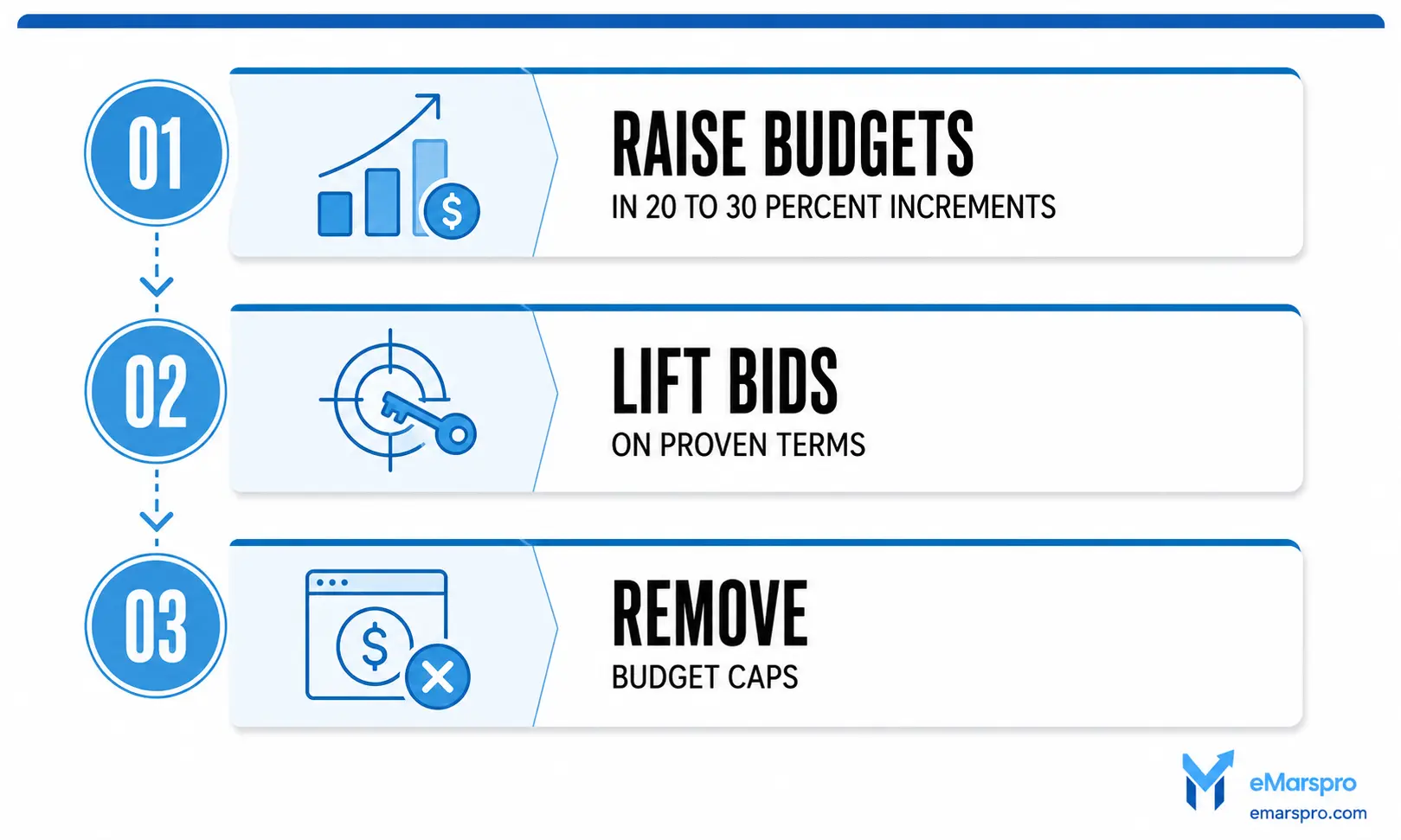
- Raise daily budgets in steps, not one jump, on your best-performing campaigns.
- Lift bids on the search terms that already convert, so you own them before rivals crowd in.
- Check every budget cap. A campaign that caps out at noon on peak day is invisible for the rest of it.
Stage 2: the event itself
During the event, review performance in real time and optimize bids during peak hours. Run the full ad suite together rather than Sponsored Products alone.
Amazon Ads reports that advertisers running Sponsored Products, Sponsored Brands, and Sponsored Display together saw a 39 percent sales increase versus average category growth, and that advertisers using cost controls in Sponsored Display saw a 2.6 times uplift in ad-attributed sales per campaign.
Those are Amazon’s figures for the event, not a promise for your account, but they point clearly at running the full suite.
A note on cost. Amazon does not publish an official figure for how much cost per click rises during the event, so treat any specific “CPC spike” number you see with caution. What is safe to assume is that clicks get more expensive as competition peaks, which is exactly why the ramp and the budget caps matter.
Stage 3: the glow period after the event
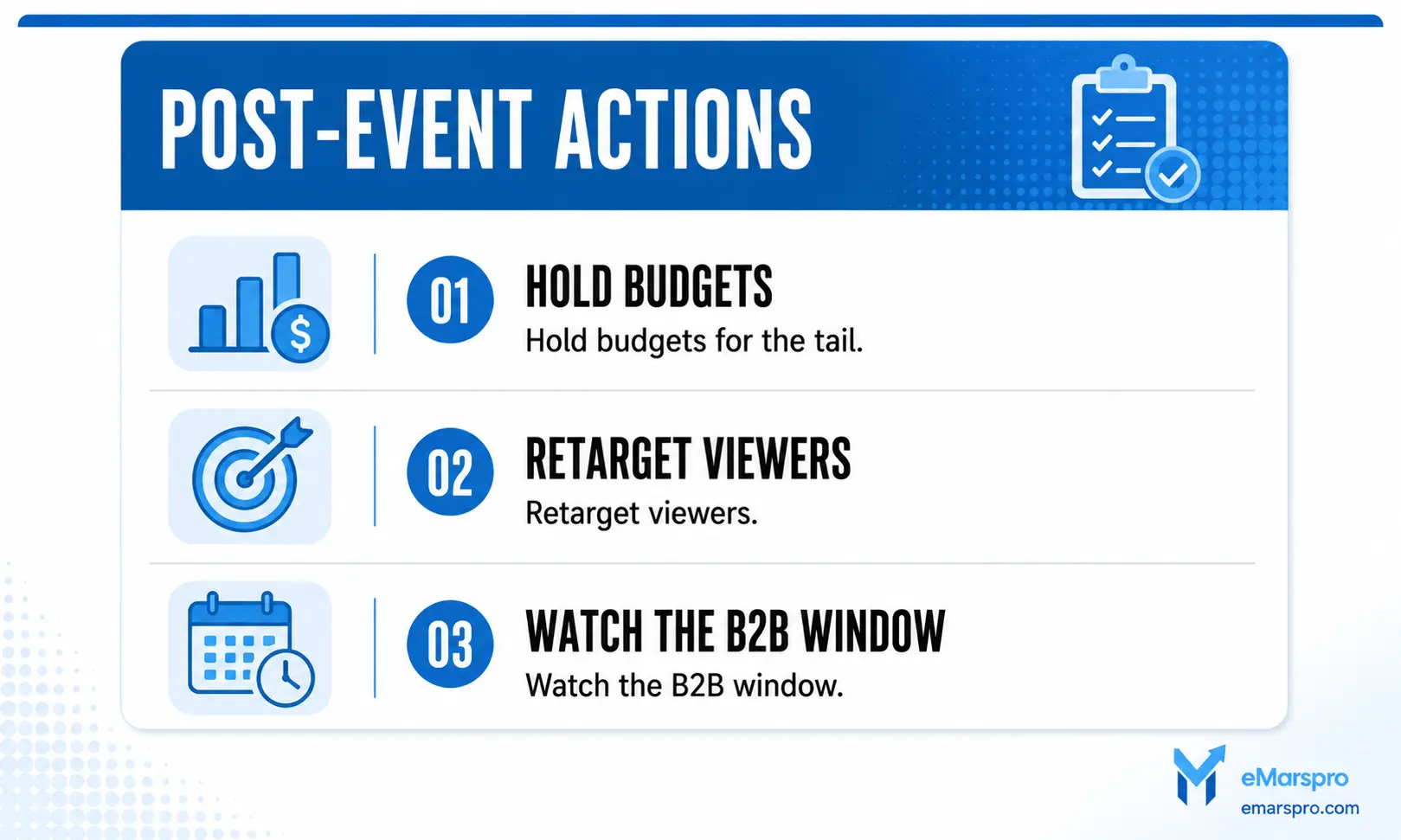
The most common mistake is cutting budgets the morning after. Buyers who browsed during the deals often convert in the days that follow, and Amazon Ads calls out roughly the two weeks after the event as a window to keep reaching buyers with longer decision cycles, including business buyers.
Hold your budgets through the tail, keep retargeting the viewers who did not convert, and read the post-event numbers before you decide what worked.
How we run it for client accounts
Across the accounts our team manages, the curve is the same even when the numbers differ by category: ramp early, defend the proven terms, run the full suite at the peak, and refuse to switch off during the glow.
The exact budget by day is set per account against its margin and its category, which is the part that does not generalize. If you want that built and run for you, that is what our Amazon PPC management team does, alongside full Amazon account management for brands that want the whole account handled.
Brands running the same event across Walmart and more use our eCommerce management services to keep the curve consistent on every channel.
Frequently Asked Questions
Amazon had not announced the official 2026 dates as of early September 2026. The fall event has run in early-to-mid October for the last three years, and Amazon has usually announced it in September. Plan for an early-October window and confirm the exact dates when Amazon publishes them.
Start 3 to 5 days before the event and raise budgets in 20 to 30 percent increments, following Amazon Ads’ guidance, so your campaigns stabilize before the traffic spike rather than during it.
Yes. Buyers who browsed during the deals keep converting for days afterward. Amazon Ads highlights roughly the two weeks after the event as a window to keep reaching slower-cycle buyers, so hold your budgets through the glow period.
Run Sponsored Products, Sponsored Brands, and Sponsored Display together. Amazon Ads reports stronger results for advertisers who run the full suite during the event than for those relying on a single ad type.
Want Your Event Advertising Handled?
Our Amazon PPC management team starts with a free account audit and findings in 48 hours.